
This 2 weeks in Mexico itinerary is based on our own trip through the Yucatán Peninsula and follows a route that worked exceptionally well for us. By focusing on Playa del Carmen, Cozumel, Tulum, and Isla Mujeres, we balanced beach time with snorkeling and diving, while still fitting in cenotes, cultural sights, and relaxed exploring.
If you’re looking for a realistic, well-paced 14-day Mexico itinerary that avoids constant packing and rushing, this guide combines adventure with downtime and includes practical tips to help you move around the region efficiently.
Affiliate disclosure: This article contains affiliate links. If you choose to make a purchase through them, we may earn a small commission at no additional cost to you. These commissions help us continue creating helpful travel guides, tips, and inspiration. Thank you for your support!
How to Get Around the Riviera Maya
Driving is often considered the easiest way to get around the Riviera Maya, as rental cars offer maximum flexibility. That said, we didn’t rent a car and still found it easy to move around using public transport and taxis. The region is well connected by buses, ferries, and shared taxis.
ADO buses run frequently between major destinations, while Ultramar and Winjet ferries connect the mainland with Cozumel and Isla Mujeres several times a day. Taxi colectivos are especially useful for short distances. These shared vans follow fixed routes, charge per seat, and are easy to spot thanks to the red “colectivo” signs. We’ll explain exactly how we used each option throughout this itinerary.
2 Weeks in Mexico Itinerary
Days 1–2: Playa del Carmen (via Cancun)
Our trip started in Cancun. Although it’s one of the most popular Riviera Maya destinations and often included in a 2-week Mexico itinerary, we chose not to stay. Based on our research, Cancun felt more focused on resort-style travel, while we were after something more active. Instead, we took the ADO bus straight from Cancun Airport to Playa del Carmen.
Playa del Carmen itself was more crowded than we expected, so we kept our stay short. Our main reason for stopping here was visiting Rio Secreto, which turned out to be one of the highlights of our time in the Yucatán.
Rio Secreto Tour
Rio Secreto is an underground river flowing through a vast limestone cave system shaped over millions of years, and visiting it was one of the most memorable experiences of our two weeks in Mexico. Because independent visits aren’t allowed, you have to join a guided tour, which lasts around three hours from start to finish.
We joined an early morning tour, which we highly recommend if you want a quieter experience. You’re provided with a wetsuit, helmet with headlamp, and water shoes before entering the caves. Inside, you walk through dry caverns before wading and floating through cool, crystal-clear freshwater, all while your guide explains the geology, fossils, and Maya beliefs tied to the site. Photos aren’t allowed inside, but professional images are available for purchase afterward. What really stood out to us was the atmosphere. The caves are dim, calm, and incredibly scenic, with towering stalactites and stalagmites all around.
How to get to Rio Secreto
Getting to Rio Secreto from Playa del Carmen is simple and inexpensive using taxi colectivos. Head to “Colectivo Station – Playa del Carmen to Tulum” on Google Maps and ask for a colectivo going to Rio Secreto. On the return journey, cross the road outside the entrance and either catch a waiting van or flag one down. Bring cash, as cards aren’t accepted. In 2025, we paid 30 MXN per person each way.
Days 3-7: Cozumel
Getting to Cozumel is an easy 45-minute boat ride from the Playa del Carmen jetty. We booked open tickets with Ultramar Ferry, which allowed us to hop on any day without a fixed schedule. This flexibility made our trip feel relaxed instead of rushed. We recommend booking your Ultramar Ferry tickets in advance to avoid long lines at the ticket desk, especially during peak season.
Cozumel is a diver’s paradise and a perfect stop for our 2 weeks in Mexico. Part of the Mesoamerican Barrier Reef System—the second largest in the world—it’s famous for vibrant coral walls, abundant marine life, and crystal-clear waters. For us, diving was the highlight, but the island also offers a slower pace than the mainland Riviera Maya. Popular spots include Paradise Beach, Punta Sur Eco Park, and the unmissable El Cielo.
El Cielo Tour Cozumel
The El Cielo Tour was one of the first activities we did on Cozumel, and it immediately became a highlight. El Cielo is a shallow sandbar where hundreds of starfish rest on soft white sand, surrounded by colorful tropical fish. During the tour, we also snorkeled at coral-rich reefs like Palancar and Colombia. The visibility was incredible, and swimming over the reef felt like floating in a giant aquarium.
After snorkeling, the boat stopped at El Cielito, a smaller sandbar ideal for relaxing, enjoying snacks and drinks, and watching stingrays glide nearby—we even spotted a few up close! Tours from Playa del Carmen are also possible, but they take longer and cost more.
Diving in Cozumel
Diving in Cozumel was one of the highlights of our entire trip. Having dived in places like Raja Ampat and the Maldives, we were surprised by how well Cozumel compares in terms of visibility, coral health, and marine diversity. Underwater conditions feel ideal, with clear water, thriving reefs, and predictable currents for smooth drift dives. The island accommodates all skill levels—beginners can enjoy shallow reefs, while advanced divers can explore walls and wrecks. Popular dive sites include Yucab, Paradise, Palancar, and Santa Rosa.
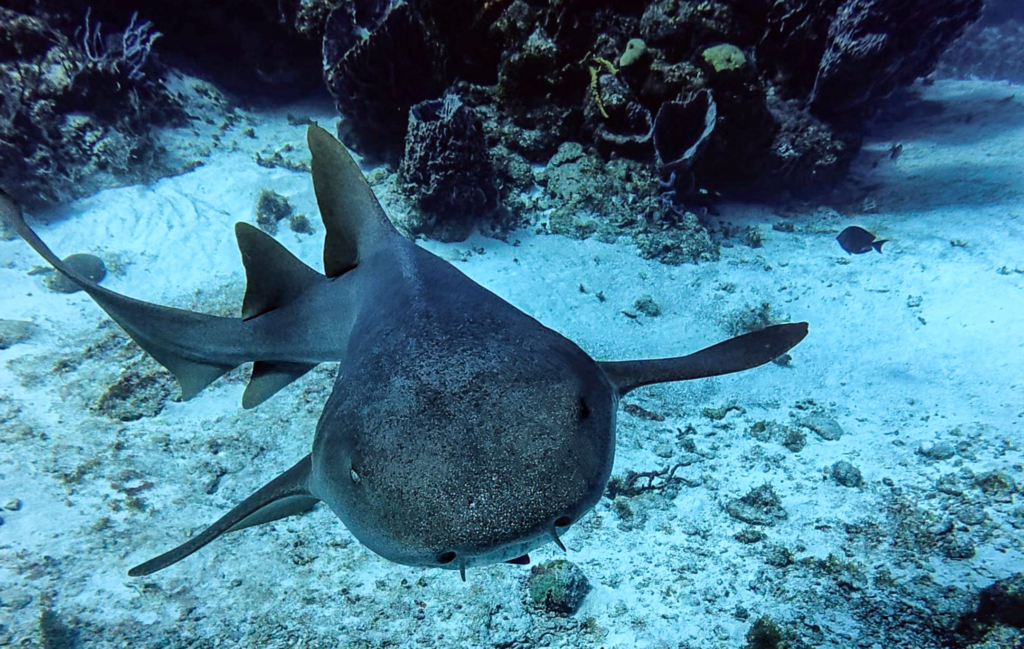
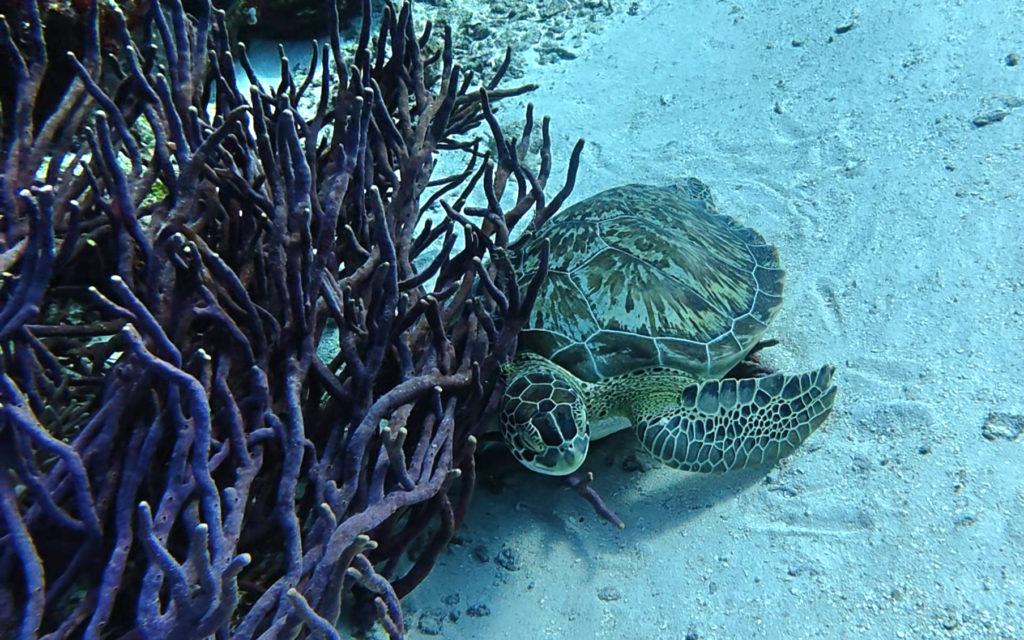
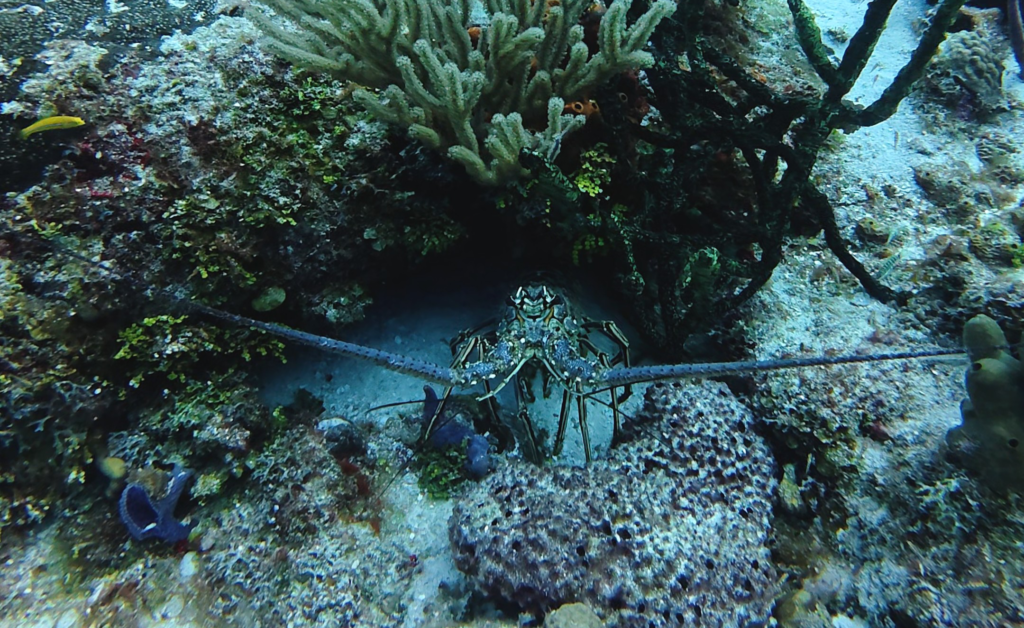
Marine life here is amazing. We frequently saw turtles, eagle rays, nurse sharks, lobsters, barracudas, and dense schools of colorful reef fish. On our very first Christmas Day dive, two nurse sharks came very close to us—it was surreal! If you want unforgettable dives or to get certified in Cozumel, we suggest booking with Cozumel Dive School. They have packages for all levels and ensure a safe and memorable experience.
Are you enjoying this blog post? Follow us to see the latest updates
Where to Stay in Cozumel
We stayed at Studios Yaxkin, just a short walk from the jetty and town center. The studio is basic but comfortable, affordable, and run by a friendly host. Staying here saved us on taxis and meals, as we occasionally cooked at home (Cozumel restaurants can be expensive).
Days 7-10: Tulum
From Cozumel, we took a ferry back to Playa del Carmen and then an ADO bus to Tulum. We stayed at Hacienda Tuk, a modern apartment complex with stylish furnishings and all the amenities you need for a comfortable stay. The complex has a restaurant and supermarket nearby, laundry services, and a beautiful rooftop pool. Our apartment was spacious, clean, and comfortable, with a price that felt very reasonable for the quality. We recommend booking Hacienda Tuk in advance to secure your preferred dates, especially during busy travel seasons.
Tulum is more than just a stopover—it’s a base for exploring the natural and cultural highlights of the Riviera Maya. The area is surrounded by cenotes, nature reserves, and quiet beaches. We loved the balance Tulum offers: mornings swimming in a cenote, afternoons relaxing on a beach, and evenings enjoying good local food. Unlike larger resort cities, Tulum feels connected to its surroundings, making it ideal for travelers who want both adventure and downtime.
The Best Things to do in Tulum
Day Trip to Chichen Itza
Chichen Itza is an essential stop on any Riviera Maya itinerary. We booked the Chichen Itza, Valladolid, and Cenote Tour, which included transportation, a guided visit to the ruins, lunch, and a few stops along the way.
Our first stop was Valladolid, a colonial town with colorful streets and a vibrant central plaza. We also visited Cenote Chichikan, a small cenote perfect for swimming and cooling off. These stops helped break up the long drive and gave context to the region. Our guide’s passion for Mayan culture, traditions, and beliefs made the journey engaging and informative.
The centerpiece of Chichen Itza is the Temple of Kukulkan, famous for its astronomical precision. This stepped pyramid dominates the site and it’s impressive for its symmetry and the engineering knowledge required to build it more than a thousand years ago. The Great Ball Court speaks to the importance of ritual games in Maya society. The Temple of the Warriors and the Sacred Cenote each offer insight into ceremonies, trade and society hierarchy. Walking through the site with our guide brought the ancient Maya civilization to life, highlighting their ingenuity, culture, and influence.
The Best Cenotes Tour
After a long day trip, we wanted to slow things down, so we booked The Best Cenotes Tour. This private half-day experience gave us time to swim and relax in three of the best cenotes around Tulum.
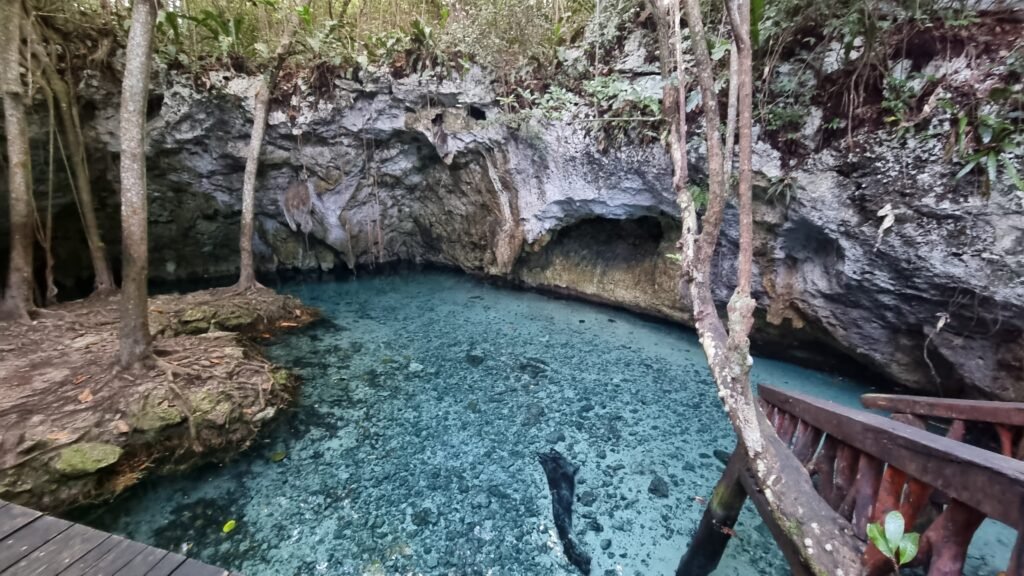
Our first stop was Gran Cenote, which is partially open to the sky and filled with clear turquoise water. Limestone formations frame the pools, and small cave sections connect different areas. Much of the water is shallow, and we spotted turtles and small fish swimming nearby.
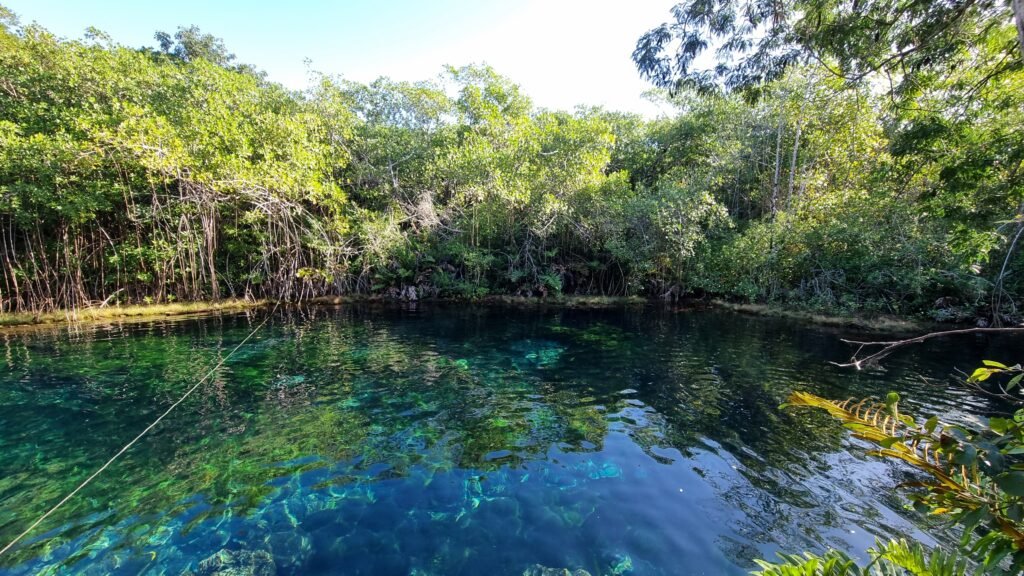
Next, we visited Xunaan-ha, an open cenote surrounded by jungle. Its deeper pool makes it ideal for swimming and free diving, while the open design allows plenty of natural light. The atmosphere here felt simple and peaceful.
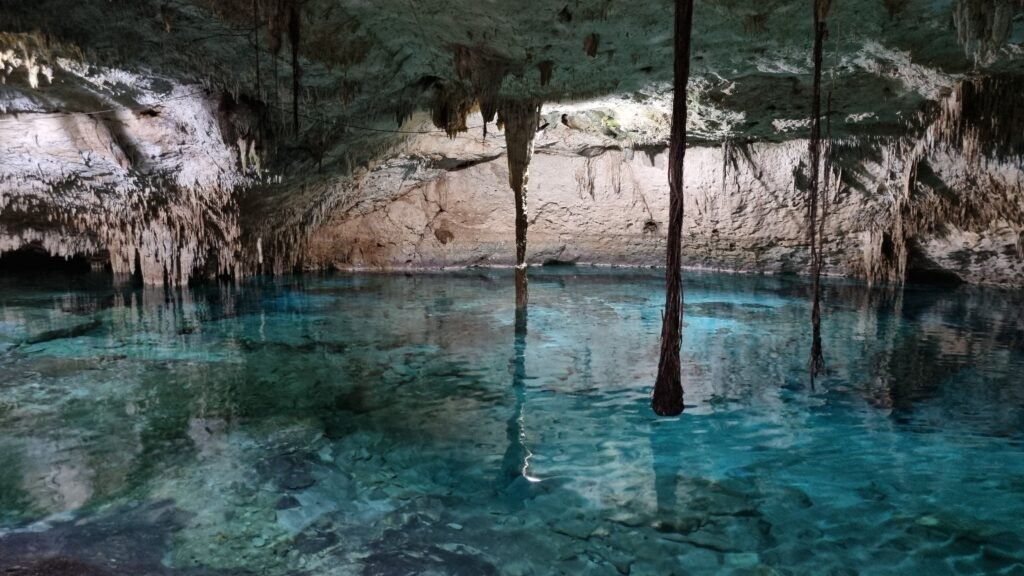
Our final stop was Taak-bi-ha, an underground cenote with dramatic stalactites, stalagmites, and crystal-clear water. Swimming here felt quiet and immersive, with minimal artificial light and an impressive sense of scale created by the rock formations.
Afterwards, we enjoyed a complimentary lunch at Juanita’s, a family-run restaurant. Each cenote offered a completely different experience, showcasing the diversity of cenotes in the Riviera Maya. The private format gave us flexibility to stay longer where we wanted, and having the guide take photos for us was a nice bonus.
Visiting the Tulum Ruins
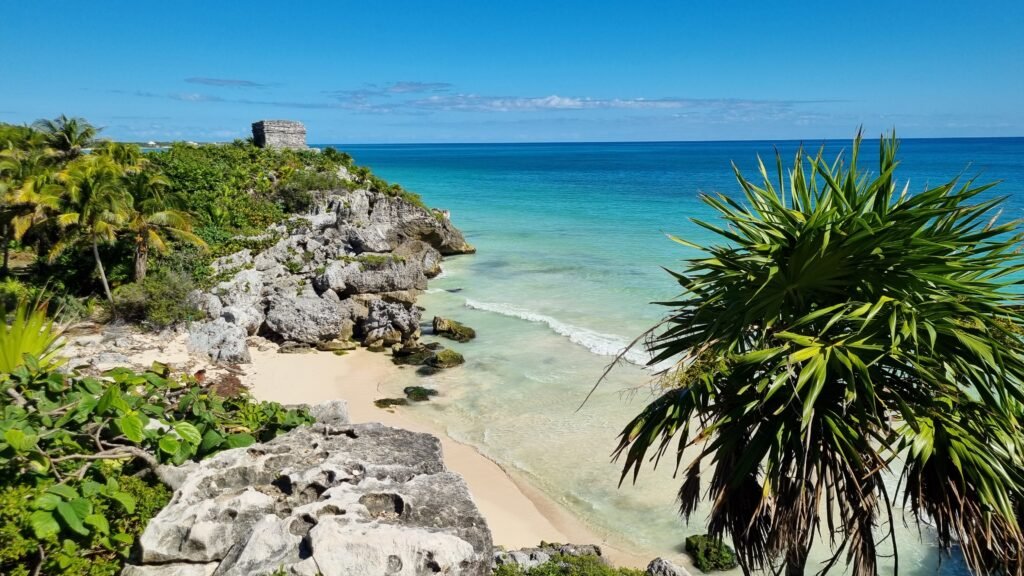
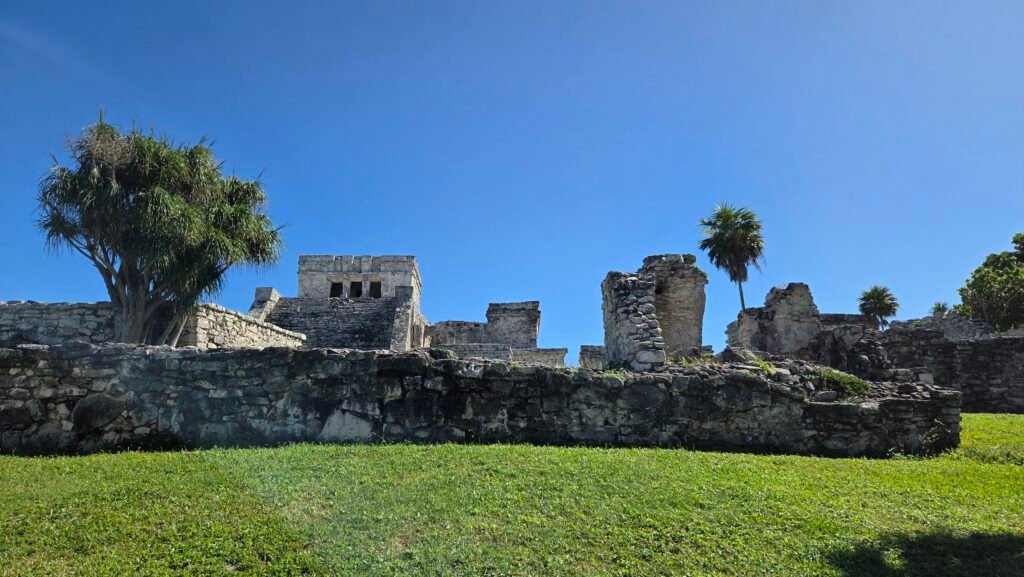
On our last day in Tulum, we visited the Tulum Ruins, a walled city and important trading port during the late Maya period. The combination of history and natural beauty makes it one of Mexico’s most striking archaeological sites. The ruins sit dramatically on a cliff overlooking the Caribbean, creating a sense of awe as soon as you arrive. We chose to explore on our own, but guides are available at the entrance.
Once inside, the visit naturally follows a loop-style path that leads to the key structures. The layout is compact, so you can see the main highlights in about 45-60 minutes without rushing. As you move through the site, the path guides you toward the coastal edge, where the views open up dramatically. At the end of the tour, you exit through the beach area where you can spend the rest of the day relaxing and cooling off.
Arriving early avoids crowds and the midday heat. Bring a reusable water bottle, as plastic isn’t allowed inside.
How to get to Tulum Ruins
From Tulum’s main road, take a taxi colectivo south; they usually wait in front of the Super Aki supermarket. At the archaeological zone, enter through the main highway access, then walk about 10 minutes to reach two ticket points. Both accept credit cards, though cash is preferred. On the return, you can walk along the paved road or take one of the golf carts that run along the route back to the main entrance. From there, exit on the main road and catch a colectivo back to Tulum centro.
Days 11-14: Isla Mujeres & Isla Contoy
For the final stretch of our 2 weeks in Mexico, we headed to Isla Mujeres. We took an ADO bus back to Cancun and then a short Ultramar ferry ride across to the island. Travel days in this region can get busy, especially during peak season, so we recommend booking your ADO bus tickets in advance to avoid long queues at the stations in Tulum and Playa del Carmen. The same applies to ferries if you’re traveling around holidays or weekends.
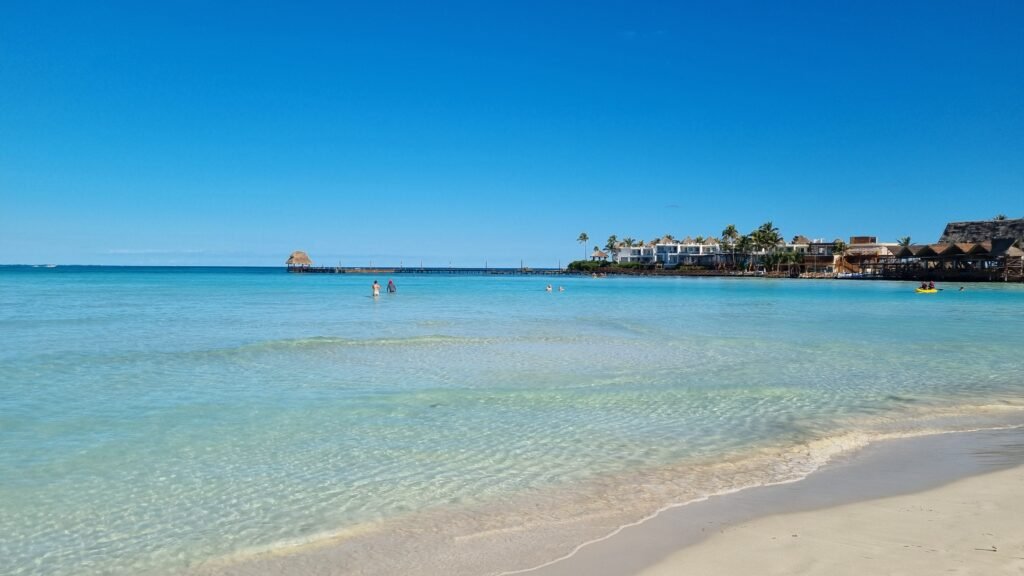
After days filled with diving, cenotes, and sightseeing, we wanted to slow down and fully relax. Isla Mujeres was the perfect choice. The island is small, easy to explore, and has a laid-back atmosphere that immediately puts you at ease. Playa Norte, located at the northern tip, quickly became our favorite spot. The beach is lined with palm trees and casual beach bars, and the shallow, calm water makes it ideal for swimming. For sunset, head back to Playa Centro and enjoy a drink while the sky lights up in soft colors.
We stayed at Hotel Bucaneros, conveniently located near the Ultramar jetty and Playa Norte. The suites include a kitchen, which makes it easy to cook at home and enjoy quiet evenings.
Isla Contoy Tour
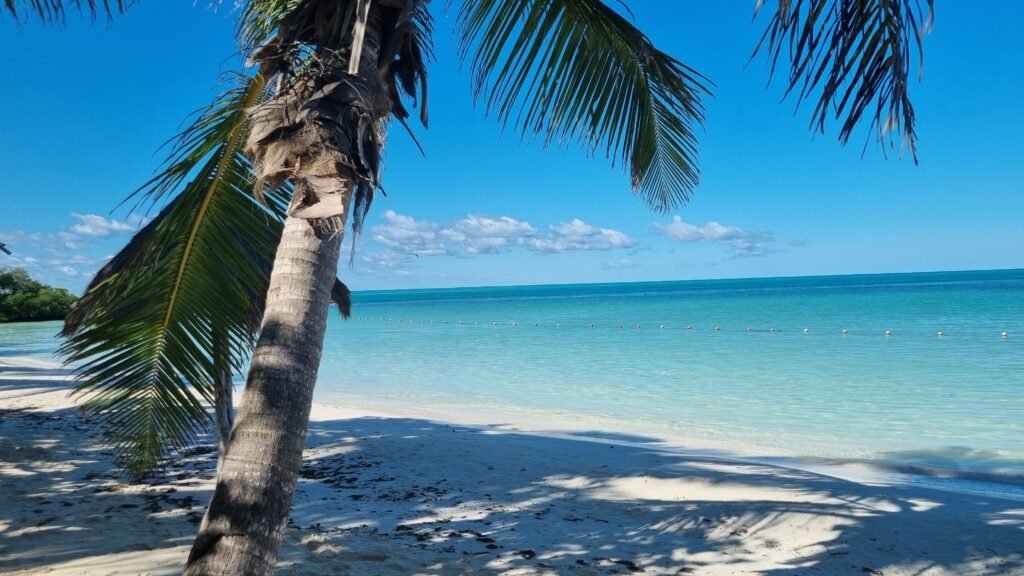
While staying on Isla Mujeres, we also visited Isla Contoy. This protected island is a national park and wildlife sanctuary, with strict limits on daily visitors. Access is only possible by guided boat tour, which helps preserve its untouched nature. Reserve your Isla Contoy tour in advance to secure one of the limited spots. The beaches are stunning, with white sand, turquoise water, and minimal development. Standing there, surrounded by nature, felt like the perfect and peaceful way to end our Mexico trip.
Safety, Money & Travel Tips for Mexico
Safety in the Riviera Maya
Throughout our time in the Riviera Maya, we felt safe. Violent crime rarely affects tourists directly, and most issues are similar to those in other popular destinations. Pickpocketing, petty theft, and occasional scams can happen, so staying aware of your surroundings goes a long way. Avoid poorly lit streets at night, keep valuables secure, and use official taxis or transport services when possible.
Money in Mexico
Mexico uses the Mexican Peso, and although many places accept US dollars, paying in pesos usually gives better exchange rates. ATMs were easy to find in all major destinations we visited. Carry small bills for colectivos, tips, and small purchases, as many drivers and local vendors don’t accept cards. Credit cards work well in hotels and restaurants. Tipping is customary—10–15% in restaurants is standard, with small tips appreciated for drivers and guides.
Key Travel Tips for Mexico
- Get a Mexican eSIM and activate it on arrival for reliable data
- Don’t drink tap water; buy bottled or filtered water
- Use Revolut or similar cards for better exchange rates
- Uber only works in Cancun; elsewhere, use taxis or colectivos
- Chichen Itza and Tulum Ruins forbid plastic, cigarettes, and drones and do bag checks
Best places to eat in the Riviera Maya
- Playa del Carmen: Aldea Corazon
- Cozumel: Kondesa, Los Nopales La Quinta
- Tulum: La Brasa, Piaggia
- Isla Mujeres: Los Mexicanos, Grill Garden
Get your bus & ferry tickets here
2-Week Mexico Itinerary
Time for Conclusions...
Spending 2 weeks in Mexico gave us the perfect balance of adventure, culture, and relaxation. From diving along Cozumel’s coral reefs to swimming in cenotes near Tulum, and finally unwinding on the beaches of Isla Mujeres, this itinerary allowed us to experience the Riviera Maya at a comfortable pace. Rather than rushing from place to place, we focused on fewer destinations and explored them more deeply.
If you’re planning 2 weeks in Mexico and want a well-rounded trip that combines nature, history, and downtime, this route works exceptionally well. With good transport connections, diverse activities, and unforgettable scenery, the Yucatán Peninsula is ideal for a first visit or a return trip with a slower, more meaningful approach to travel.
Peace of mind is just one click away.
Get insured now